A landscaping estimate is a conversation, and the quality of that conversation depends on the information both sides bring to it. When the scope is vague, estimates are harder to compare and surprises show up later. When you arrive with a clear picture of the areas involved, the result you want and the practical realities of the property, the estimate is more accurate and the project starts on firmer ground. This guide covers what to prepare before you request a landscaping estimate, from defining the scope and taking useful photos to setting priorities, noting site access and knowing which questions to ask.
Start with the scope
Scope is simply a description of what you want done and where. It does not need to be technical. It does need to be specific enough that someone who has never seen the property can picture it.
Begin by listing the areas involved: the front beds along the house, the strip beside the driveway, the ring around a palm, the side yard, the back lawn. For each area, write a sentence about what you want to change. “Replace the broken plastic edging along the front beds with a concrete border” is far more useful than “update the front yard.”
Note what should stay and what should go. Existing shrubs you love, a tree that must be protected, old rock that should be removed or reused and edging that needs to come out all affect the work. If you have rough measurements, include them. A tape measure is fine for straight runs, and a phone map app with a distance tool can give a reasonable estimate of longer lengths. Approximate numbers are better than none, as long as you say they are approximate.
Take photos that answer questions
Good photos save time on both sides and help the first conversation go further. The goal is not beautiful pictures. It is pictures that show layout, condition and context.
- Wide shots first. Stand at the street or the far edge of the yard and capture each area in full, so the relationship between beds, lawn, driveway and house is clear.
- Then each area. Take one or two photos of every bed or section you listed in the scope, from an angle that shows its full length.
- Close-ups of problems. Photograph cracked edging, washed-out rock, sunken pavers, puddles or roots breaking through, with something familiar in the frame for scale.
- Daylight, no filters. Natural light shows true colors and conditions. Avoid heavy shadows across the areas that matter.
Keep the photos together in one folder on your phone so they are easy to share when the company follows up. If you have photos of a style you like, from another property or from a gallery, keep those too. They are often the fastest way to communicate a look.
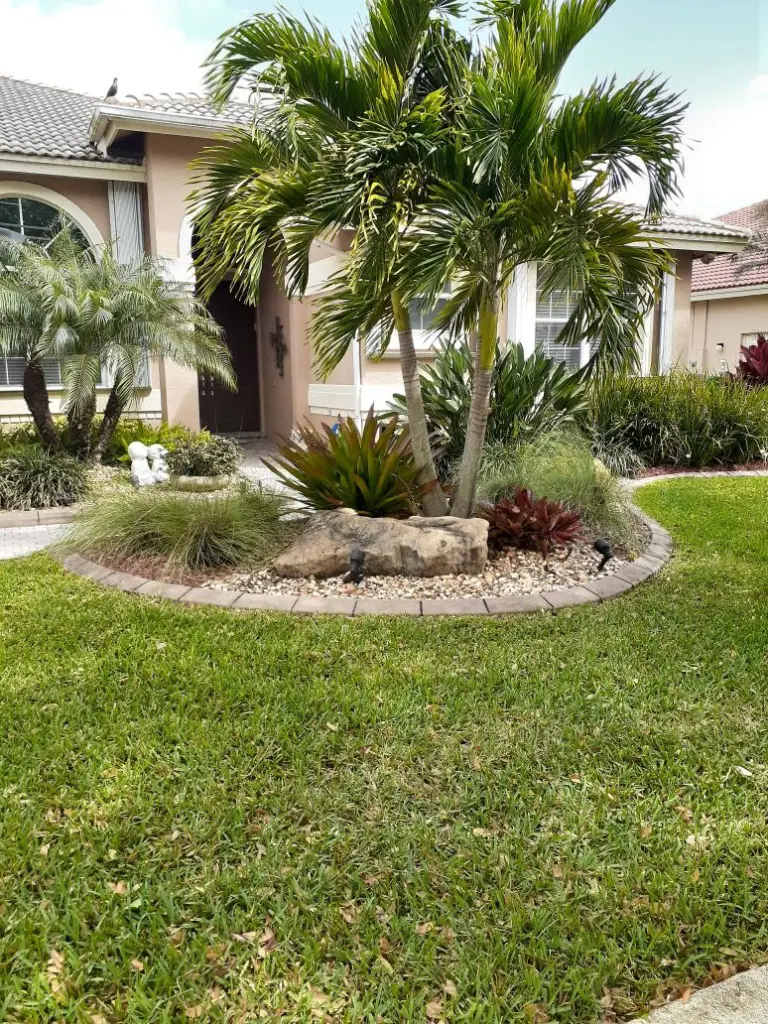
Decide what matters most
Most projects involve trade-offs between scope, timing and budget. Deciding your priorities before the estimate makes those trade-offs easier to discuss.
Split your list into must-haves and nice-to-haves. Perhaps the front borders are essential this season while the side yard can wait. Perhaps low maintenance matters more than a particular plant. If there is a date that matters, such as a family event, a move or a property listing, say so early. It is also sensible to think about a comfortable budget range before the conversation. You do not have to share a number, but knowing your own limit helps you respond clearly if the estimate includes options at different levels.
Think about the long term as well. Who will maintain the yard after the work is done? A design that needs frequent trimming or replanting may not suit a property that only gets occasional attention. Mentioning how the yard is looked after today helps shape a result that stays looking good.
Know the property details
Some details are invisible from the street but change how work is planned. Gather what you know before the estimate.
- Irrigation. Where sprinkler heads and zones run, and whether the system works properly today.
- Drainage. Areas that puddle after rain, downspouts that empty into beds and any past water problems near the house.
- Underground utilities. Florida has a free call-before-you-dig service, Sunshine 811. For any work that involves digging, ask who will request utility locates before work starts.
- Approvals. Whether a homeowners association, landlord or property manager needs to approve exterior changes, and how long that usually takes.
- Trees and roots. Large trees and palms near the work area, and any you want protected.
Think about access
Access affects how easily materials and equipment reach the work. Note whether side gates are locked and how wide they are, whether there are pets that need to be kept inside, where a truck can park and whether there is an outdoor water spigot nearby. For a commercial property, add the name of the on-site contact, any hours when work is not allowed and whether tenants or customers need to be kept clear of the area.
If you will not be home for a site visit, say so and explain how the property can be viewed. Clear access instructions avoid wasted trips and delays.
Questions worth asking
An estimate should leave you understanding exactly what you would be paying for. These questions help you compare estimates fairly and avoid misunderstandings.
- What exactly is included, and what is excluded?
- Which materials, colors and plant sizes does the estimate assume?
- How long is the work expected to take once it starts, and what could change that?
- How are removal, disposal and cleanup handled?
- How are changes to the scope priced and agreed during the project?
- What payment schedule do you use?
- What license and insurance details can you provide for this type of work?
- What care does the finished work need in the first weeks?
License and insurance details can be checked with the authority or insurer that issued them. It is reasonable to ask for them, and a professional company will expect the question.
Filling in the estimate request
With this preparation done, the request itself is quick. Choose the service that best matches the main job, add your city or ZIP code so the company can confirm the property is in its area, and write a short description drawn from your scope notes. Two or three sentences covering the areas, the change you want and any timing that matters are usually enough to start. Keep street addresses and other personal details for the follow-up conversation, and have your photos ready to share when asked.
A quick checklist
- Areas listed, each with one sentence about the change
- Rough measurements, marked as approximate
- Wide photos, area photos and close-ups of problems
- Must-haves, nice-to-haves and any important dates
- Irrigation, drainage, trees and approval details
- Access notes for gates, pets, parking and water
- Your list of questions
If borders are part of your plans, read Choosing Concrete Landscape Borders for a South Florida Property first. You can also review the full list of services and the project gallery, then use the estimate request form when you are ready.